Why Structures Sink
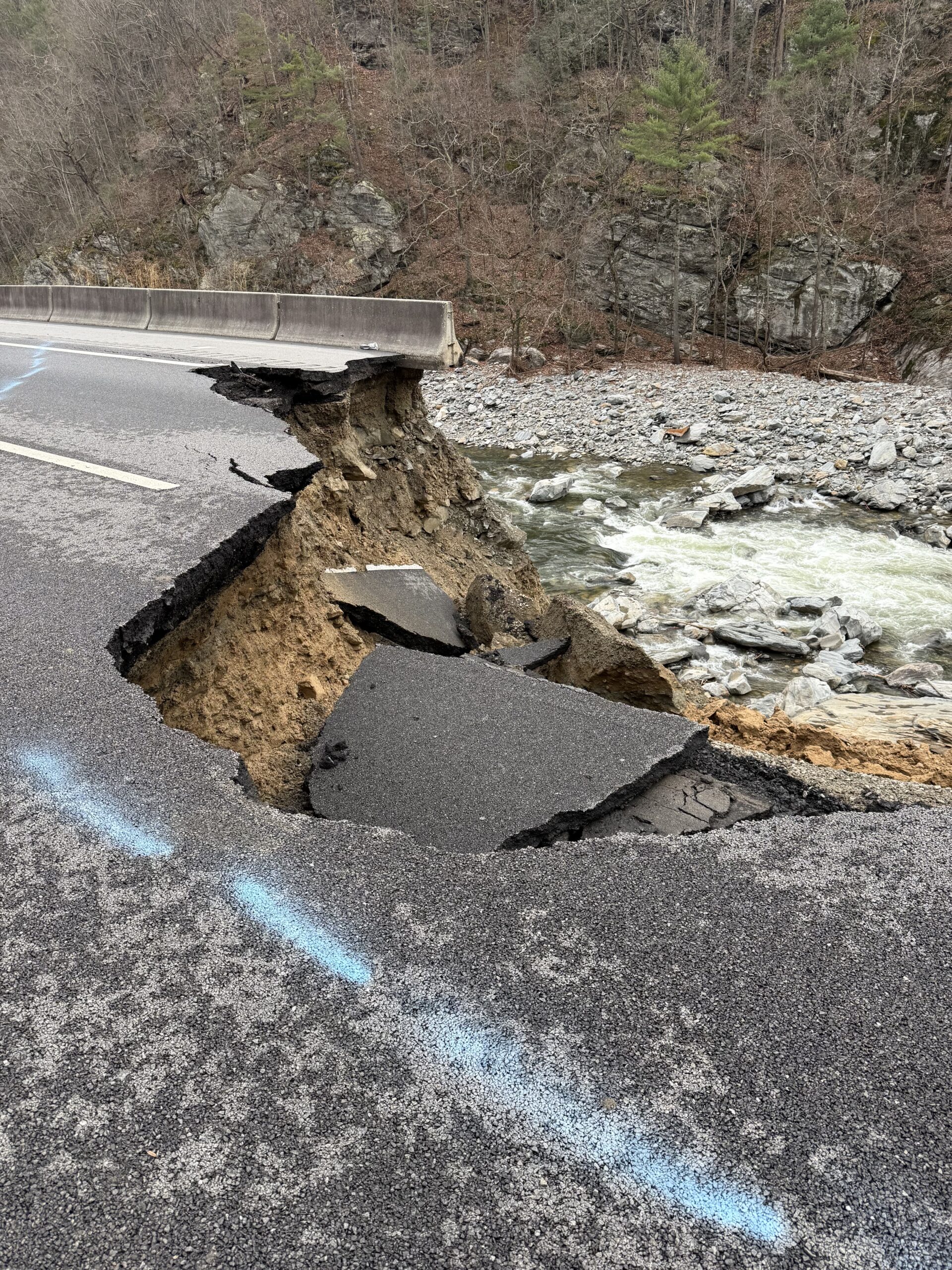
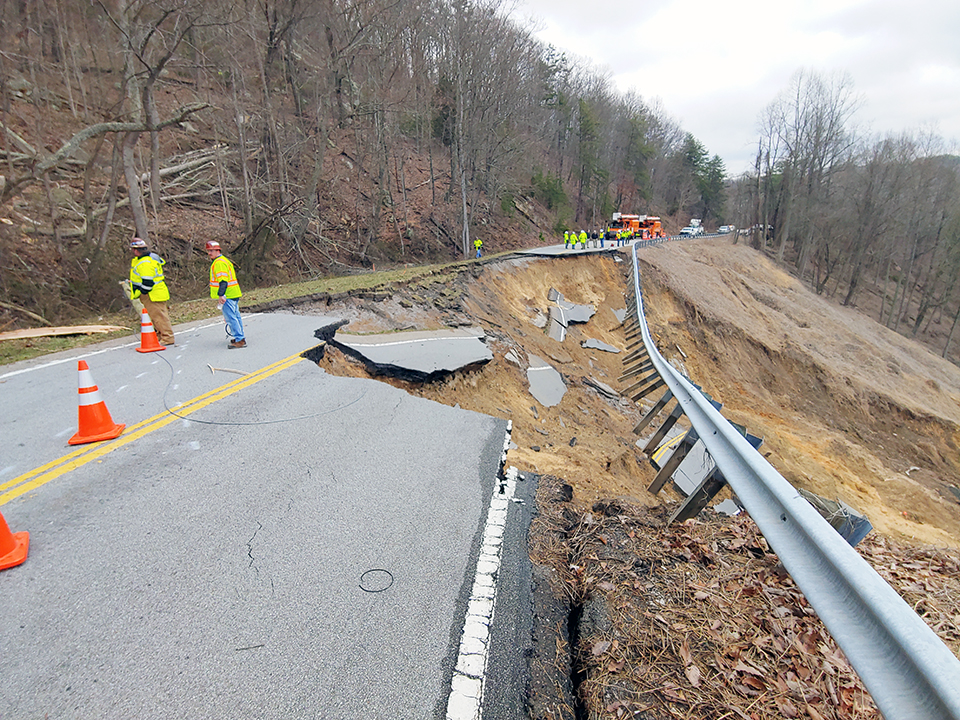
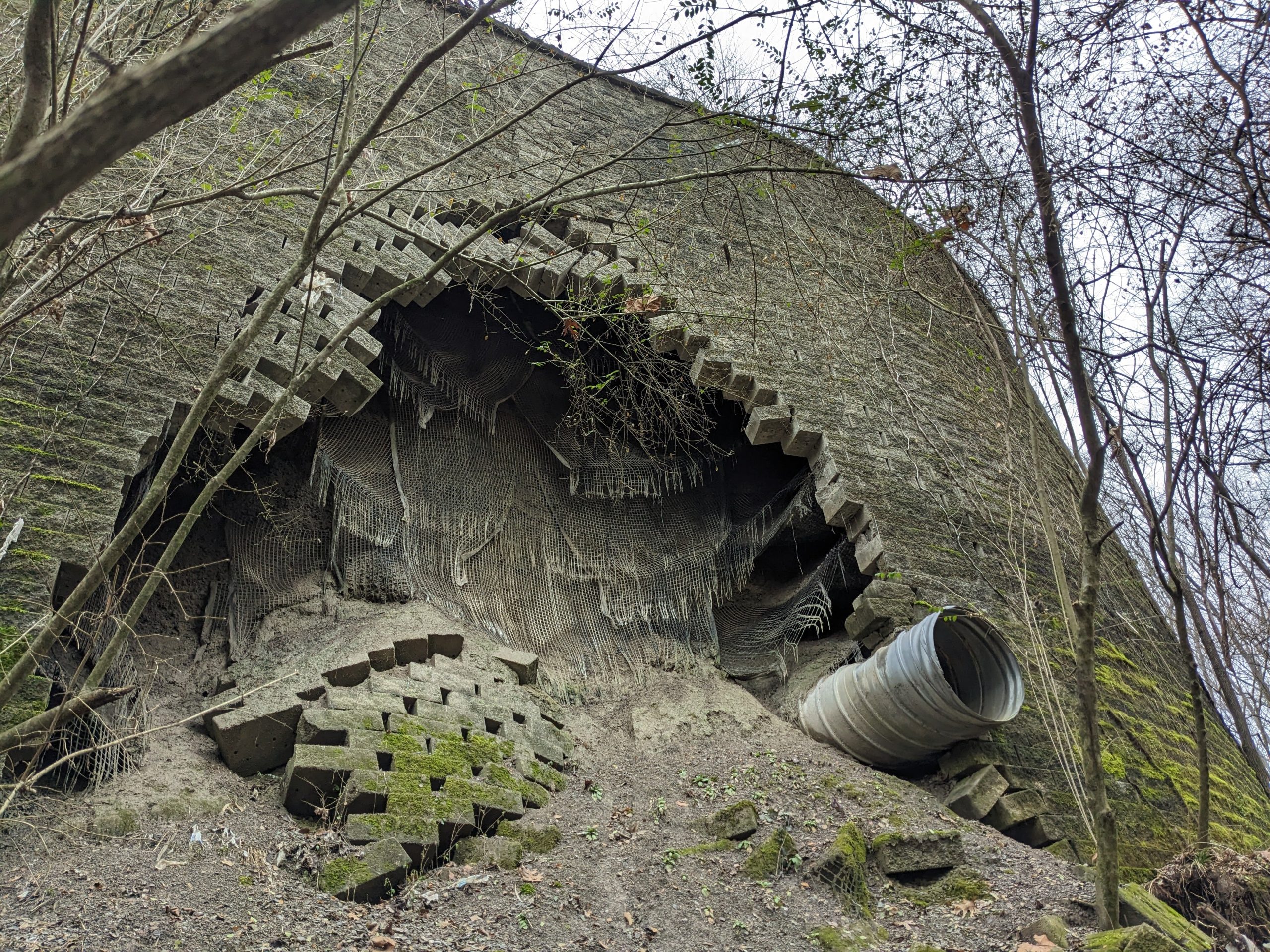
Settlement often develops gradually and may not be obvious until visible distress appears. Identifying the root cause is essential for selecting a repair approach that delivers reliable long-term performance.
Common causes of settlement include:
- Weak or variable soils: Expansive clays, loose sands, and compressible silts may shift or compact unevenly, leading to differential movement.
- Water infiltration and drainage issues: Flooding, poor surface drainage, and fluctuating groundwater can reduce bearing capacity and weaken supporting soils.
- Inadequate compaction: Poor soil preparation during construction can contribute to voids and long-term settlement beneath footings.
- Improper design or overloading: When loading exceeds the soil’s capacity, structures can settle or rotate over time.
GSI engineers perform targeted geotechnical evaluations to confirm the mechanisms driving movement, allowing stabilization systems to be engineered for the specific structure and site conditions.