Mining Geohazard Services & Mine Slope Stability

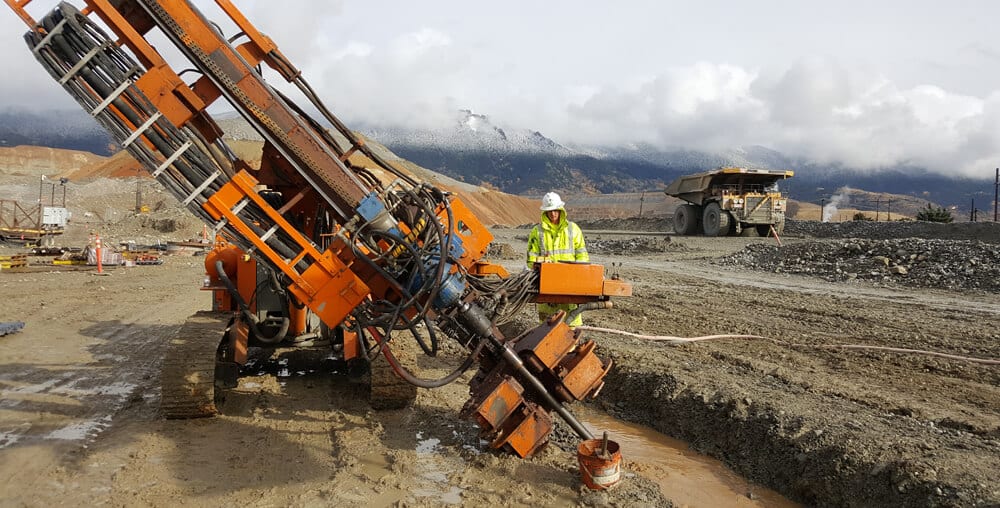
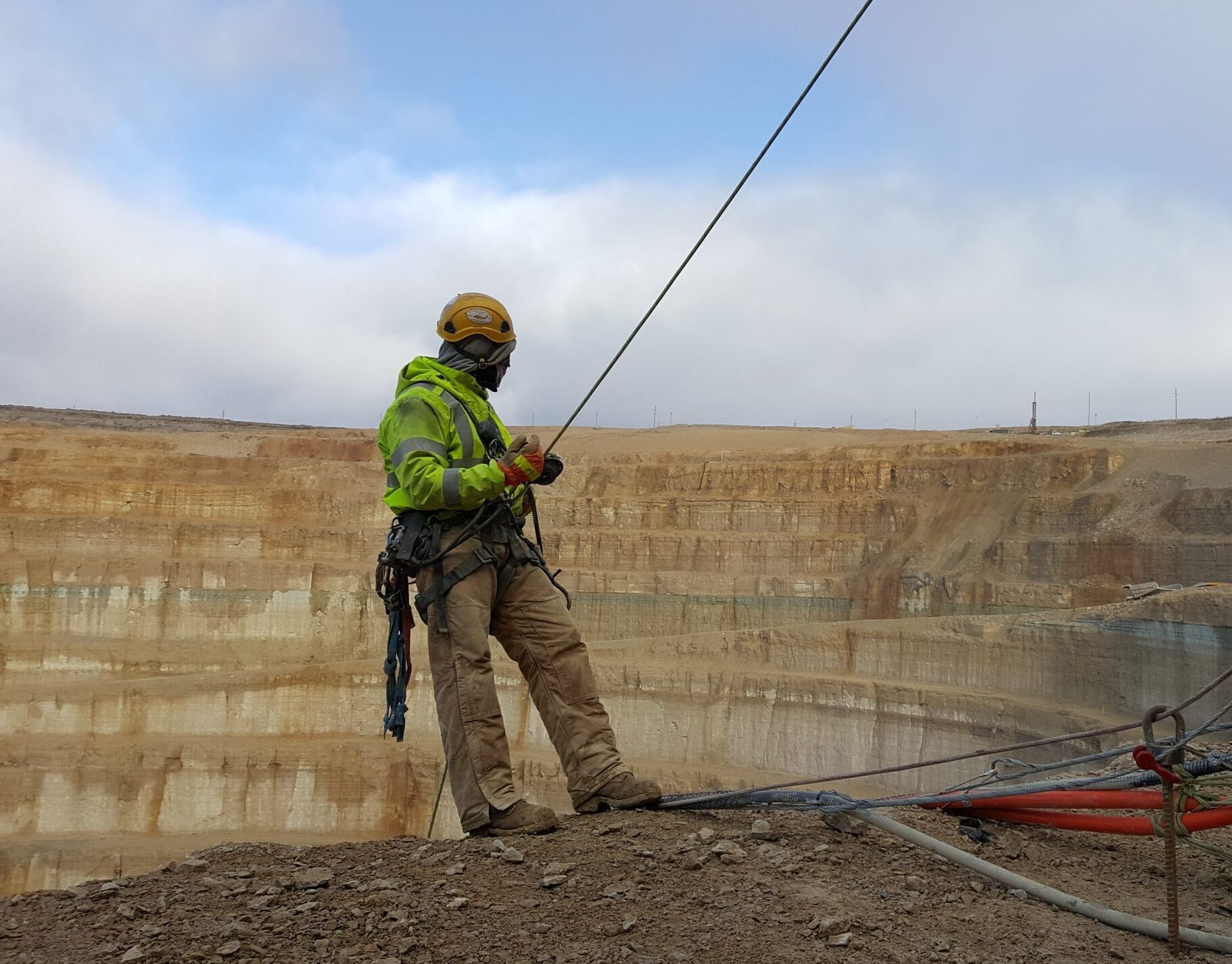
Mine worker

Mining Geohazard Services

Mining operations across Canada operate in complex and constantly changing ground conditions where safety, production continuity, and regulatory accountability are inseparable. GeoStabilization International partners with mine owners, operators, engineers, and consultants to manage geotechnical risk, stabilize slopes and ground conditions, and support safe, productive extraction throughout the mine lifecycle.

From open-pit and quarry environments to underground workings and legacy sites, GSI delivers engineered geohazard mitigation solutions designed to protect workers, equipment, haul routes, and critical infrastructure while enabling efficient operations in challenging geological settings.

Contact Us

Victor DeBeers Mine

Geohazard Management as a Core Mining Risk Strategy

Unstable ground, slope movement, water inflows, and unknown subsurface conditions can quickly impact mine safety and productivity. Effective geohazard management helps mining teams:

  • Reduce the risk of slope failures and rockfalls
  • Maintain safe access for personnel and equipment
  • Protect haul roads, processing facilities, and infrastructure
  • Support defensible engineering decisions and regulatory compliance
  • Minimize unplanned downtime and emergency stabilization

GSI integrates engineering analysis, field execution, and monitoring to help mining teams manage these risks proactively rather than reactively.
Mining Challenges We Help Address

Mining environments present unique challenges that can evolve rapidly due to excavation, blasting, groundwater changes, and weather. Left unmanaged, these conditions can lead to bench failures, haul road interruptions, equipment damage, and increased stripping ratios. GSI helps teams address these challenges with stabilization strategies aligned to site conditions and operational goals.

Get In Touch

Contact Us Today

Outcome-Driven Mining Geohazard Solutions

Rather than isolated techniques, GSI delivers integrated solutions focused on what mining operations need to protect and sustain performance:

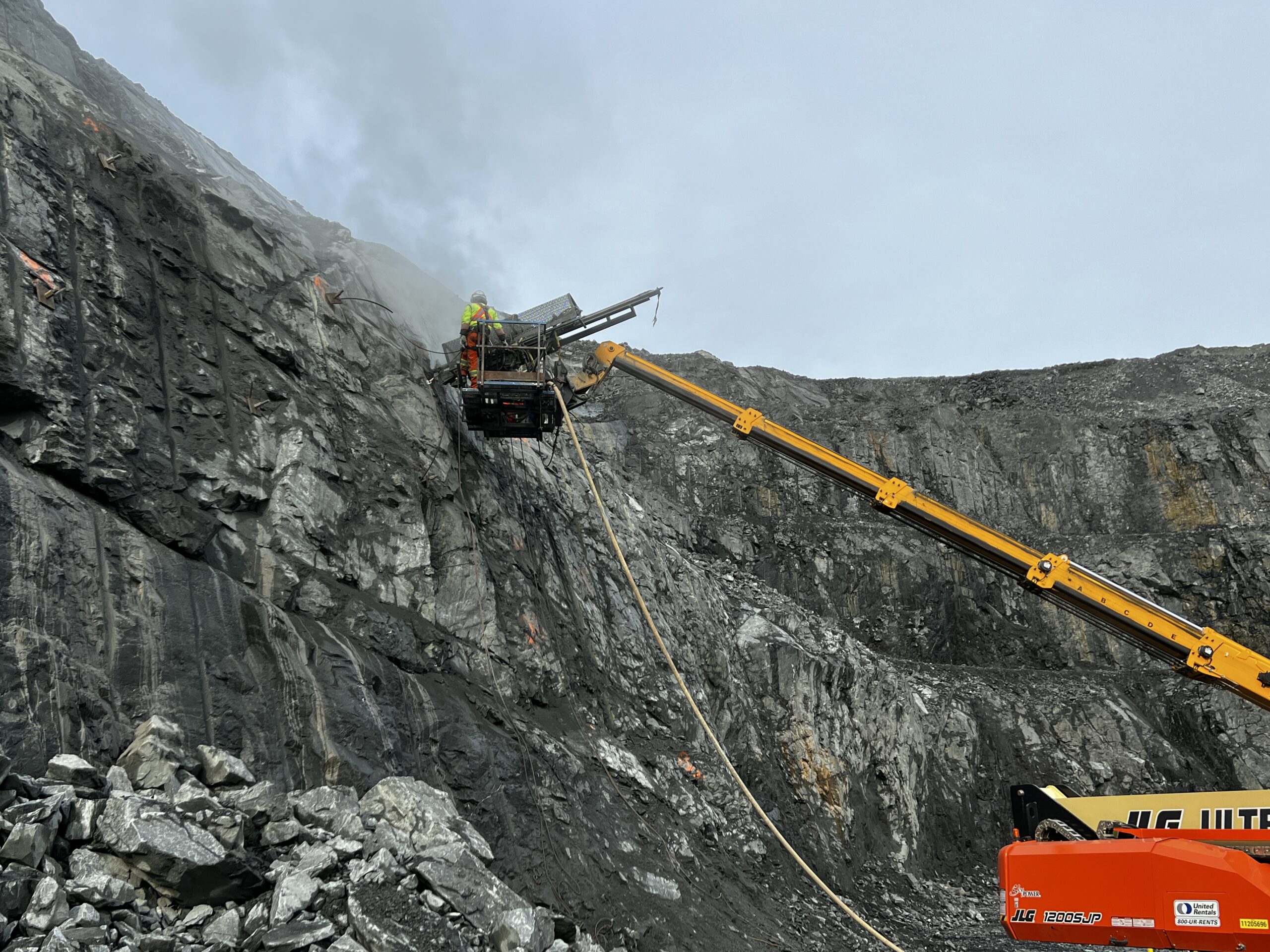
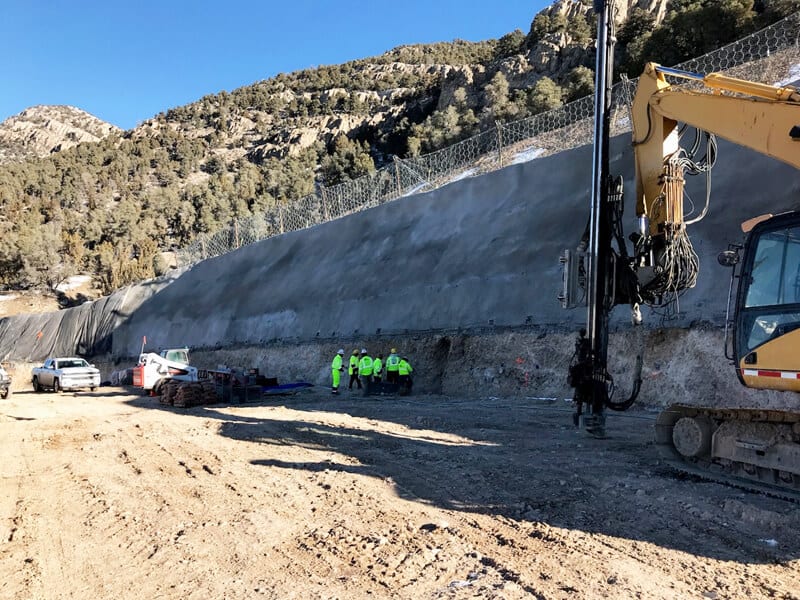
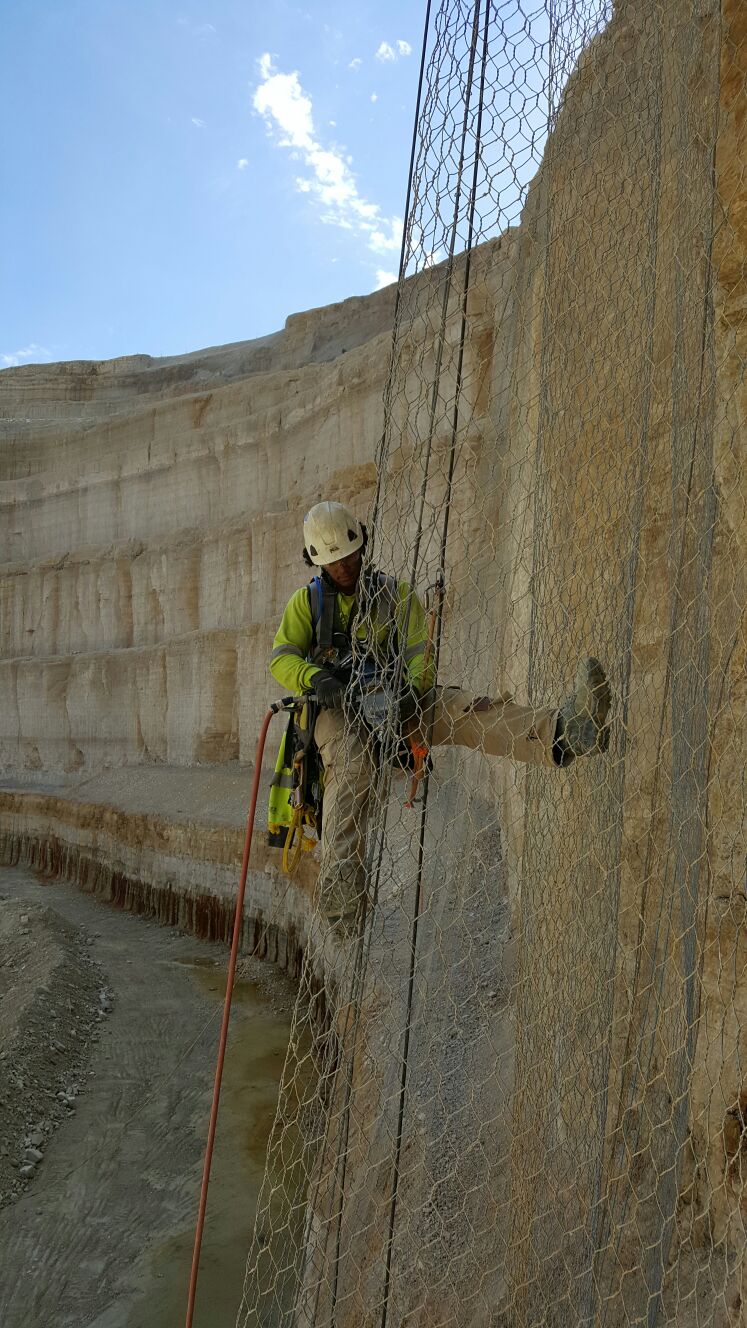
Highwall stabilization, bench reinforcement, drainage systems, and reinforced earth solutions designed to manage slope risk and maintain safe working conditions.

Horizontal drilling, drainage, and grouting strategies that control groundwater, strengthen weak zones, and reduce the risk of inflows or ground collapse.

Stabilization of haul roads, ramps, processing areas, and adjacent infrastructure to maintain safe, reliable access throughout operations.

Slope monitoring and performance tracking that inform ongoing decision-making, allowing designs and operating practices to adapt as conditions change.

Stabilization solutions for quarry transitions, mine closure activities, and legacy sites requiring long-term performance and risk reduction.

Grouting Solutions

Grouting plays a critical role in managing ground instability and water-related risk in both surface and underground mining environments. GSI applies grouting strategically to:

  • Improve rock mass quality
  • Control water inflows and pressure
  • Fill voids associated with historic or active workings
  • Reduce the potential for collapse or sinkhole formation

Grouting methods are selected based on site-specific geology and performance requirements and may include cement, chemical, consolidation, pressure, or permeation techniques. Each approach is engineered to address the underlying risk rather than simply treating surface symptoms.

By filling these voids and fractures, mine grouting can help to prevent the movement of water and other fluids through the rock, which can be a serious problem in mining operations. It can also be used to stabilize underground structures and prevent the collapse of mine workings.

Types of Mine Grouting

There are several different types of mine grouting techniques that can be used in mining operations, depending on the specific requirements of the site and the types of voids and fractures that need to be filled. Some of the most common types of mine grouting include:

This is the most common type of mine grouting and involves injecting a mixture of cement, water, and additives into mine workings under high pressure. The cement mixture hardens over time, forming a solid mass that fills voids and fractures in the surrounding rock.

Chemical grouting involves injecting a chemical mixture into mine workings to create a gel-like substance that fills voids and fractures in the surrounding rock. This type of grouting is often used in areas where traditional cement grouting is not possible, such as in areas with loose, sandy soils.

This type of grouting is used to improve the strength and stability of rock masses by injecting a mixture of cement and water into the rock under high pressure. The grout mixture fills the pores and fractures in the rock, helping to consolidate it and increase its strength.

This technique involves injecting grout under high pressure to fill voids and fractures in the surrounding rock. It can be used in combination with other types of grouting, such as cement or chemical grouting, to improve the effectiveness of the grouting process.

Permeation grouting involves injecting a low-viscosity grout into the surrounding rock to fill small voids and fractures. This technique is often used to improve the water resistance of mine workings, such as tunnels and shafts.

Understanding and Managing Mine Slope Stability

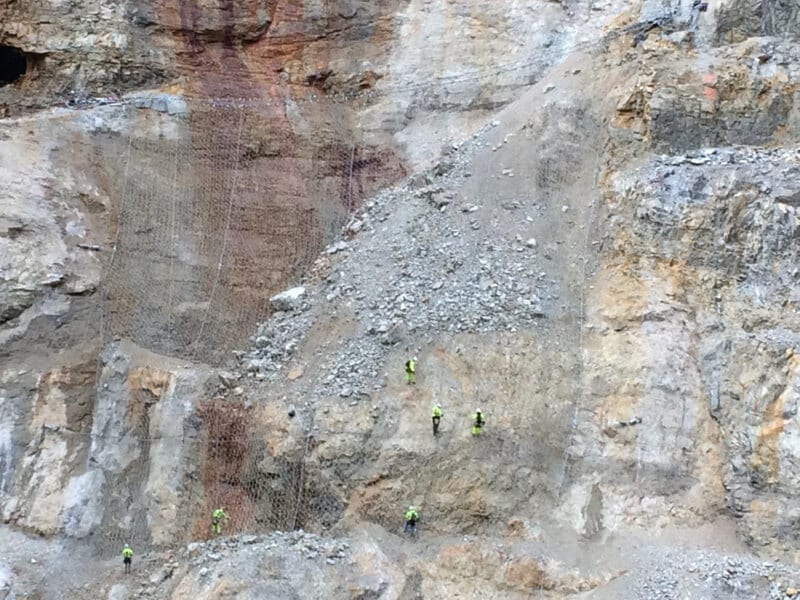
Stable pit walls and quarry slopes are essential to both safety and production efficiency. Slope performance is influenced by geology, groundwater conditions, excavation geometry, and operational practices. Instability can present as rockfalls, bench failures, or larger-scale slope movement.

GSI evaluates slope conditions using field observations, monitoring systems, and engineering analysis to understand risk and support stabilization decisions. Solutions may include soil nails, reinforced earth systems, drainage improvements, or retaining structures tailored to site conditions. Optimized slope designs allow operations to balance safety with production efficiency. Even small adjustments in slope geometry can affect stripping ratios and long-term mine economics, making ongoing evaluation and adaptive management critical throughout the life of the mine.

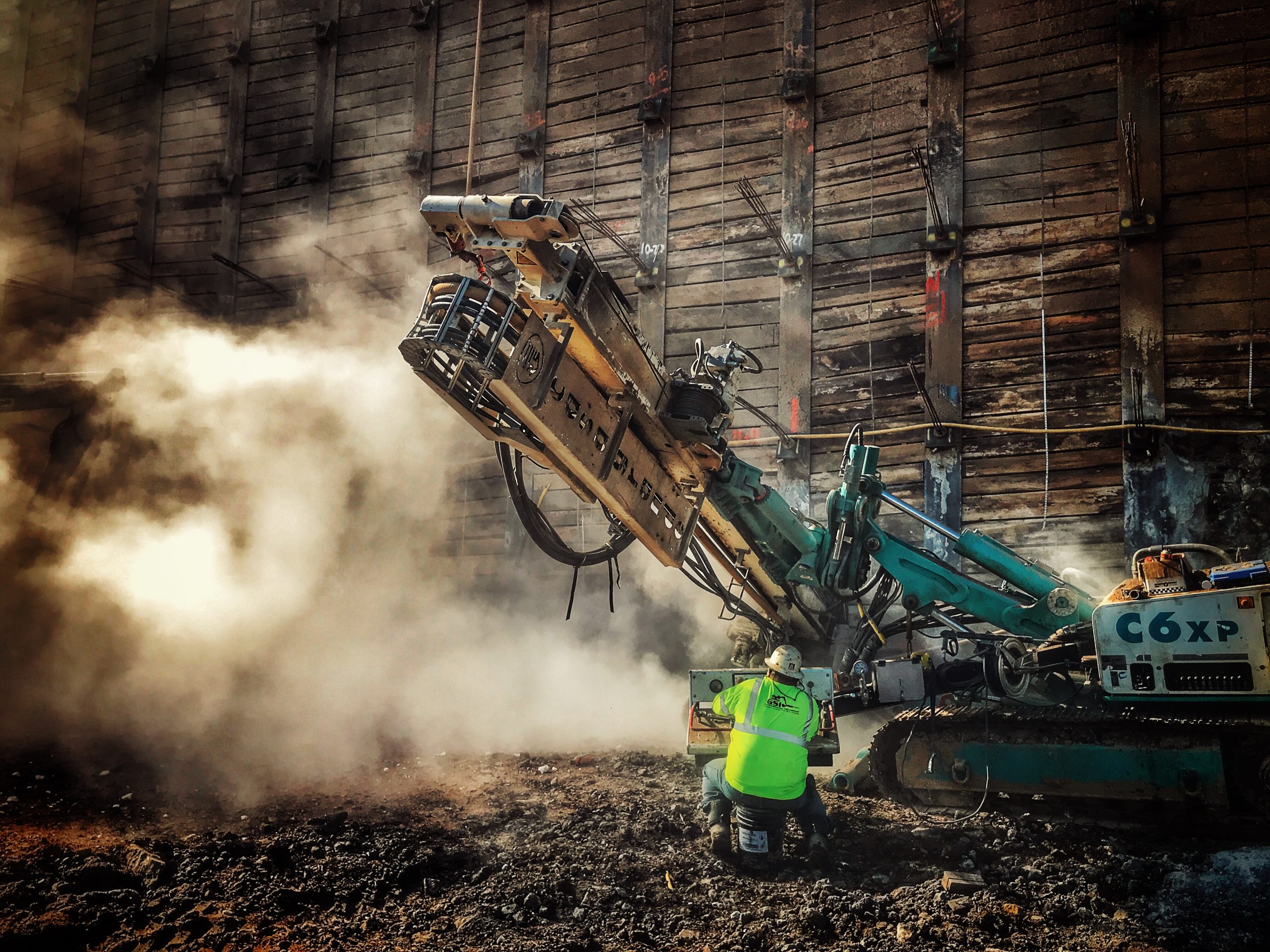
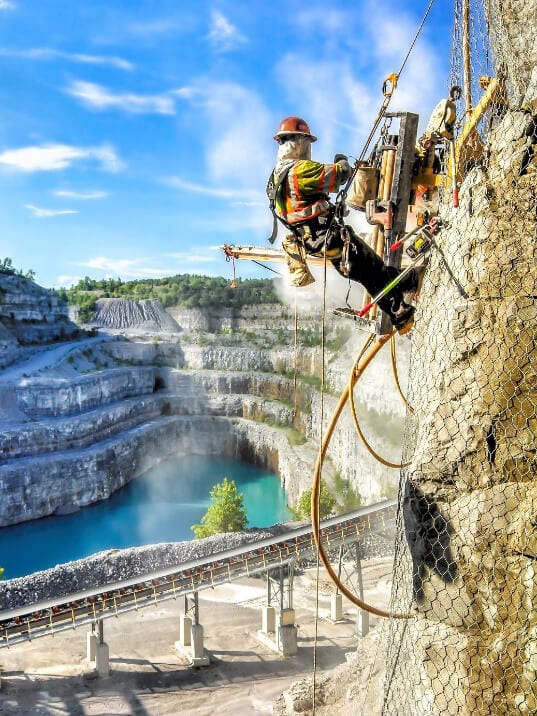
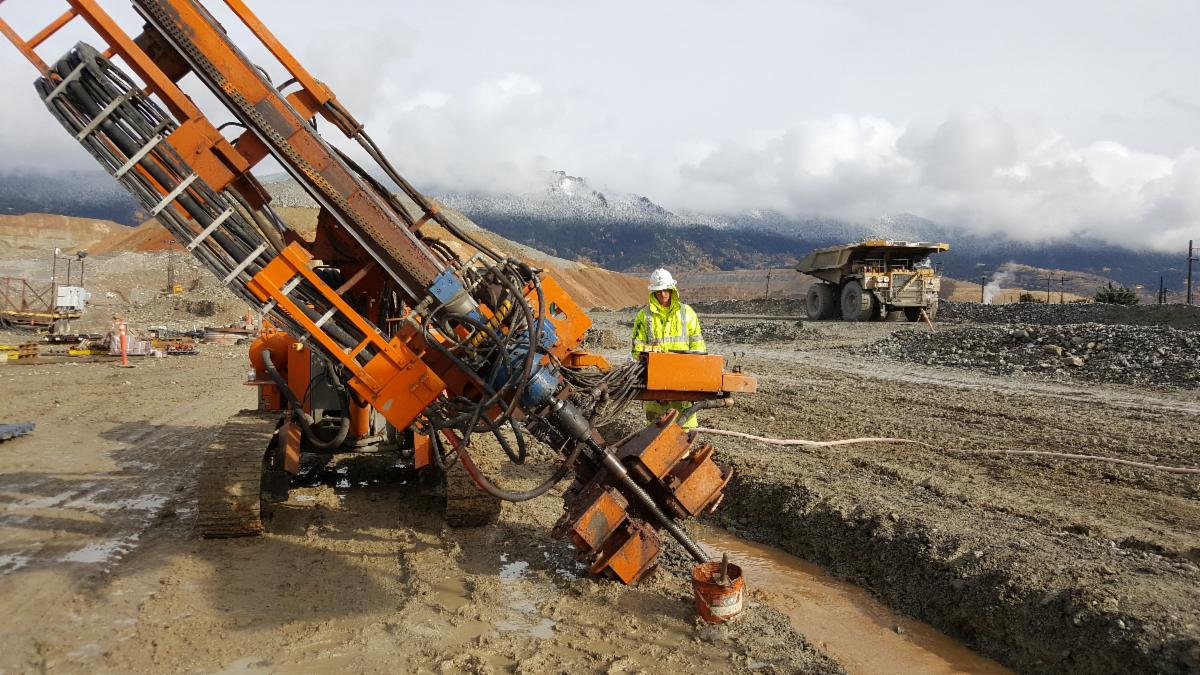
Drilling Rock Anchors

Your Partner for Mining Geohazard Mitigation

GSI focuses exclusively on geohazard mitigation, bringing specialized experience to active mining environments across Canada. Clients rely on GSI for:

  • Practical risk assessment informed by field experience
  • In-house engineering aligned with constructability and performance
  • Skilled crews experienced working safely in active mine sites
  • Monitoring-supported, adaptive stabilization strategies
  • Collaborative design-build delivery that integrates with site operations

GSI operates as an extension of the mine team, supporting safe, efficient operations from development through closure.

Related Articles for Mining Geohazards

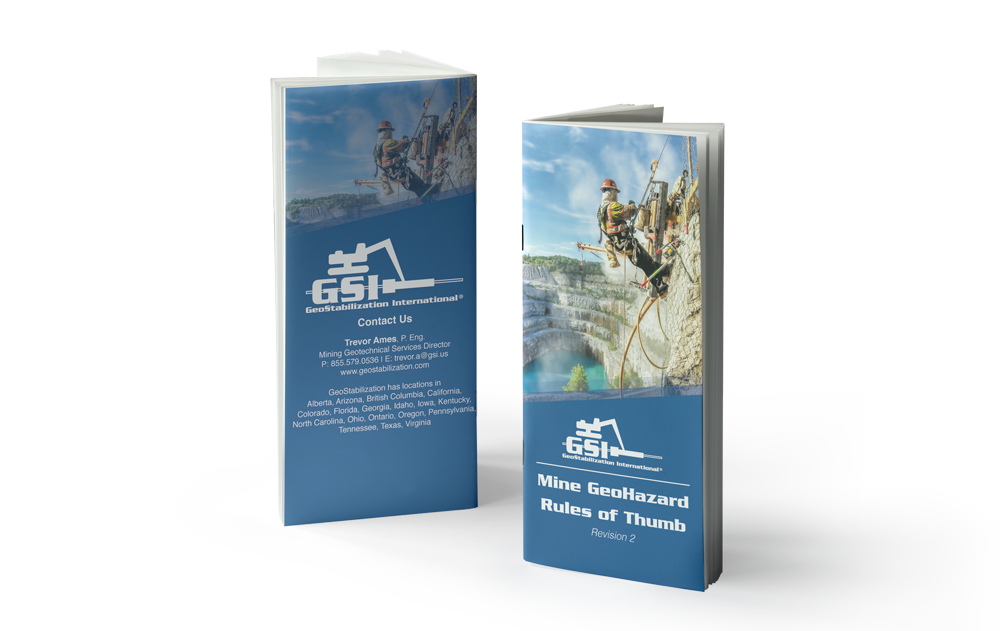
Request a Mine Geohazard - Rules of Thumb booklet

Contact Us

Contact Us Today

Ready to Get Started?

If your operation is managing slope instability, ground movement, water inflows, or infrastructure risk, connect with our Canadian team to discuss site conditions and explore geohazard mitigation strategies aligned with safety, productivity, and long-term performance.

855.579.0536

    How Can We Help?

    • Personal Info
    • Contact Info
    • Project Info
    ***Fees May Apply For Residential Site Visits***

    How Can We Help?

    • Personal Info
    • Contact Info
    • Project Info

    How Can We Help?

    • Personal Info
    • Contact Info
    • Project Info

    By using this website, you acknowledge and agree to our Privacy Policy. This site is protected by reCAPTCHA, and the Google Privacy Policy and Terms of Service apply.