Nova Scotia's Multi-Hazard Landscape and GSI's Integrated Solutions
Nova Scotia concentrates three distinct geohazard types within a single province: coastal erosion driven by Atlantic storms and Bay of Fundy tides, rockfall along Cape Breton's highland highways, and mine subsidence from over a century of underground coal extraction. Each hazard requires different engineering approaches, and GSI brings the technical breadth to address all three.
Bay of Fundy and Atlantic Coastal Erosion
Nova Scotia's Bay of Fundy shores experience tidal ranges exceeding 12 metres, creating hydraulic erosion forces that retreat sandstone and shale coastlines at measurable rates each year. The South Shore and Northumberland Strait coastlines face Atlantic storm surge and wave energy that undermine roads and structures. GSI designs revetment systems, bluff stabilization, and bioengineered shoreline protection calibrated to each coastal segment's specific wave energy and geological composition.
Cape Breton Highlands Rockfall
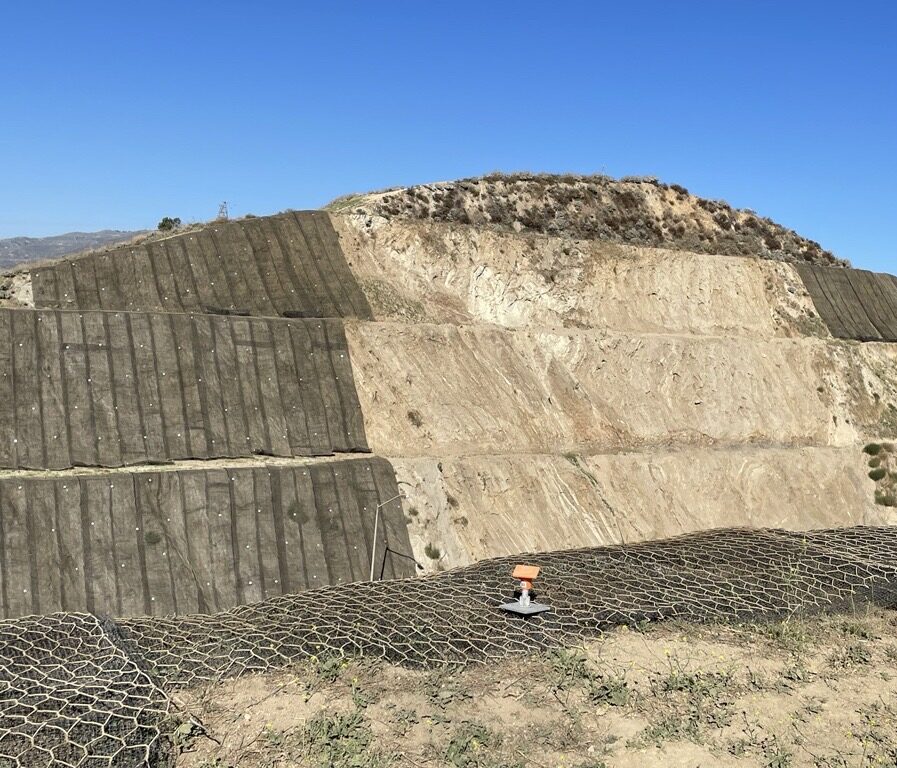
The Trans-Canada Highway 105 and the Cabot Trail wind through the Cape Breton Highlands where Precambrian igneous and metamorphic rock faces generate rockfall from structural discontinuities and freeze-thaw weathering. GSI installs rock bolt anchoring, attenuator barriers, and mesh systems designed for the Highlands' specific rock types and failure mechanisms. Our rope access scaling crews maintain these installations and remove loose rock proactively.
Cape Breton and Pictou County Mine Subsidence
Over 150 years of underground coal mining left void spaces beneath communities and infrastructure in Cape Breton and Pictou County. GSI's compaction grouting and void filling technologies stabilize the ground above abandoned mine workings, preventing the sudden and progressive surface subsidence that threatens buildings, roads, and utilities.